
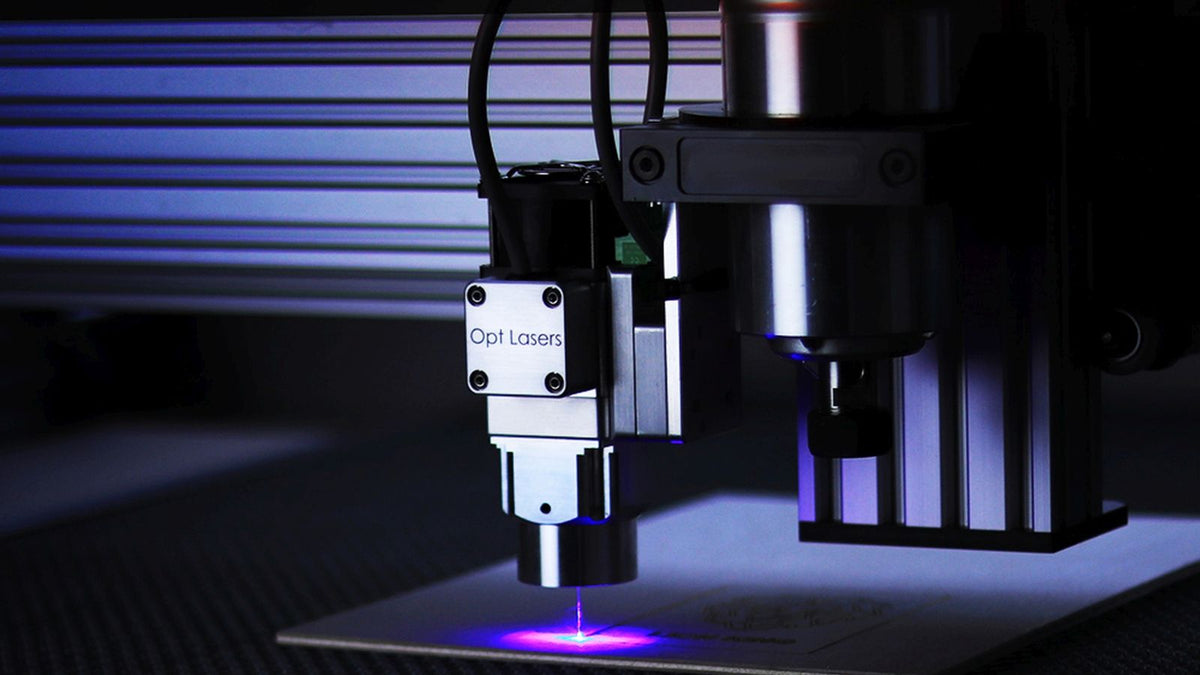
A new market forecast released on October 12, 2026 puts numbers on something many Canadian shops already feel: fabricators are spending on equipment again. The report from Research and Markets values the Canadian metal fabrication equipment market at about USD 1.15 billion in 2026 and projects it will reach USD 1.47 billion by 2031, an annual growth rate of roughly 5%.
Cutting machines, press brakes and robotic cells get the headlines. Every one of those investments also changes how much grinding, deburring and finishing a shop does, and what it needs from its abrasives.
What is driving the spending
The forecast points to a handful of Canadian drivers:
- Clean-tech manufacturing incentives. The report cites the 30% federal Investment Tax Credit for clean-tech manufacturing and the 15 to 40% credit for clean hydrogen. New EV battery plants in St. Thomas and Windsor, Ontario are creating demand for precision housings, enclosures and frames.
- Immediate expensing for machinery under Budget 2025, which lets manufacturers write off equipment such as laser cutters and robotic cells in the first year.
- Large federal infrastructure programs that need structural steel and aluminum.
- A tight labour market. The report notes that the trades workforce shrank between 2016 and 2021 and cites a Canadian Manufacturers & Exporters estimate that 1.4 million workers will be needed by 2033.
Automation is the fastest-moving part of the market. Automatic equipment held a 49.2% share in 2025 and is forecast to grow at about 6.1% a year through 2031. The report adds that fabricators near clean-tech clusters describe order visibility out to 2028.
These figures come from a commercial research firm, so treat them as estimates. The direction matches what Canadian trade press has reported through 2026: cautious optimism and steady investment in automation.
Buy Canadian rules add domestic steel and aluminum work
Federal procurement is pushing in the same direction. The Government of Canada's Buy Canadian Policy took effect on December 16, 2025. Under its materials rule, construction and defence contracts worth $25 million or more that need at least $250,000 of steel, aluminum or wood must use Canadian materials where a Canadian source exists. Those materials must be manufactured or processed in Canada, and suppliers certify their use before bidding.
For fabricators, that means more bridge, building and defence work flowing to domestic mills and shops. More domestic fabrication means more weld prep, more bevelling and more finishing done on Canadian shop floors.
How new equipment changes abrasives use
Faster cutting moves the bottleneck downstream. A laser or plasma table can produce parts far quicker than one person can deburr them, so edge finishing, weld blending and surface prep often become the slowest step in the line. Shops that add cutting capacity usually find their consumption of flap discs, non-woven products and grinding wheels rises with it.
Automated cells also raise the bar on consistency. A robot cannot adjust its pressure the way an experienced grinder does when a disc wears unevenly or loads up. Shops running robotic grinding or finishing tend to standardize on specific grits, diameters and backings and stick with them, because a change in product can change cycle time and finish.
Clean-tech work brings more aluminum and stainless steel into shops that may have mostly cut carbon steel. Those metals call for abrasives suited to non-ferrous or stainless work, and they need to be kept apart from tools used on carbon steel to avoid contamination and rust staining.
What this means for WA customers
If your shop is adding equipment or bidding on infrastructure and clean-tech jobs, a few practical steps help:
- Plan consumables alongside capital purchases. A new laser or saw will raise your use of deburring and blending products, so budget for them when the machine arrives.
- Standardize. Pick a short list of cutting discs, flap discs and grinding wheels that perform well on your common materials, and buy them consistently. This matters even more on automated cells.
- Separate your stainless and aluminum abrasives from carbon steel stock, and label them clearly on the shop floor.
- Match products to the job. Ceramic alumina and zirconia discs suit heavy stock removal on steel, while non-woven and fine-grit flap discs handle finishing passes on visible surfaces.
- Buy in case quantities for the sizes you run most. Stable supply keeps new equipment from sitting idle while you wait on consumables.
Whitby Abrasives stocks cutting discs, grinding wheels, flap discs, sanding belts and non-woven products for Canadian fabricators and shops of every size. Browse the full catalog to find the abrasives that fit your next project.
Frequently asked questions
Do laser-cut parts still need abrasives?
Usually yes. Laser and plasma cutting leave dross, burrs and heat-affected edges that are typically deburred or blended with flap discs, non-woven products or grinding wheels before welding, coating or assembly.
What abrasives work best on aluminum battery enclosures and housings?
Use abrasives intended for non-ferrous metals and keep them separate from products used on carbon steel to avoid contamination. Flap discs and non-woven products are common choices for blending and finishing aluminum without loading up quickly.
How should a growing shop plan its abrasives purchasing?
Track usage per job or per cell for a few weeks, standardize on a short list of proven grits and diameters, and buy those in case quantities so new equipment is never waiting on consumables.