
Canada Mortgage and Housing Corporation released its September 2026 housing starts data on October 16. The six-month trend in annual starts came in at 250,411 units, up 0.6% from August. CMHC described the trend as virtually flat. Actual starts in centres of 10,000 people or more were 19,984 in September, down 11% from September 2025, and year-to-date starts are down 4%.
For anyone who cuts block, grinds concrete or preps rebar and steel framing on residential sites, these numbers are a useful read on demand for the coming months. They also come with a reminder that more site work means more silica dust exposure, which provincial regulators treat seriously.
What the September numbers show
The national picture is steady, with sharp differences by region. Among provinces, the six-month trend in larger centres rose about 10% in British Columbia and about 5% in Alberta and Saskatchewan. It fell about 11% in Quebec and about 2% in Ontario. Vancouver gained 6% on higher multi-unit starts, Montreal dropped 8% on fewer multi-unit starts, and Toronto was roughly level.
The pipeline of work already underway is large. CMHC counted 371,617 units under construction in centres of 50,000 or more, unchanged from August, plus 143,929 units approved but not yet started. Those projects need cutting, grinding and finishing regardless of what new starts do month to month.
CMHC Deputy Chief Economist Aled ab Iorwerth said that "a key risk for Canada now is not building enough during this period of softening housing markets across the country." In the August release, CMHC had said it expected the downward trend in starts to continue, so September's small uptick is welcome but modest.
Why housing activity matters for abrasives
Residential construction uses abrasives at almost every stage. Foundation and slab work calls for masonry cutting discs and cup wheels to trim and level concrete. Steel framing, rebar and structural connections need thin cut-off wheels and grinding wheels. Finishing trades rely on flap discs and sanding products for railings, stairs and metal trim.
Multi-unit buildings, which drove the swings in Vancouver and Montreal, tend to use more concrete and structural steel per project than single-detached homes. A region where multi-unit starts are rising will usually see steadier demand for heavy-duty cutting and grinding consumables.
Silica dust stays a priority on busy sites
Concrete, brick, block and stone contain crystalline silica. According to WorkSafeBC, cutting, grinding, drilling and blasting concrete or stone release silica dust, and inhaling it can cause silicosis, "a serious and irreversible lung disease," as well as lung cancer. The regulator also notes that a worker can have silicosis without symptoms at first.
WorkSafeBC ranks controls in order of effectiveness. Elimination or substitution comes first, then engineering controls such as water suppression and local exhaust ventilation, then administrative controls such as exposure control plans. Respirators come last. The regulator calls personal protective equipment "the least effective control" and says it should be used with at least one other control in place.
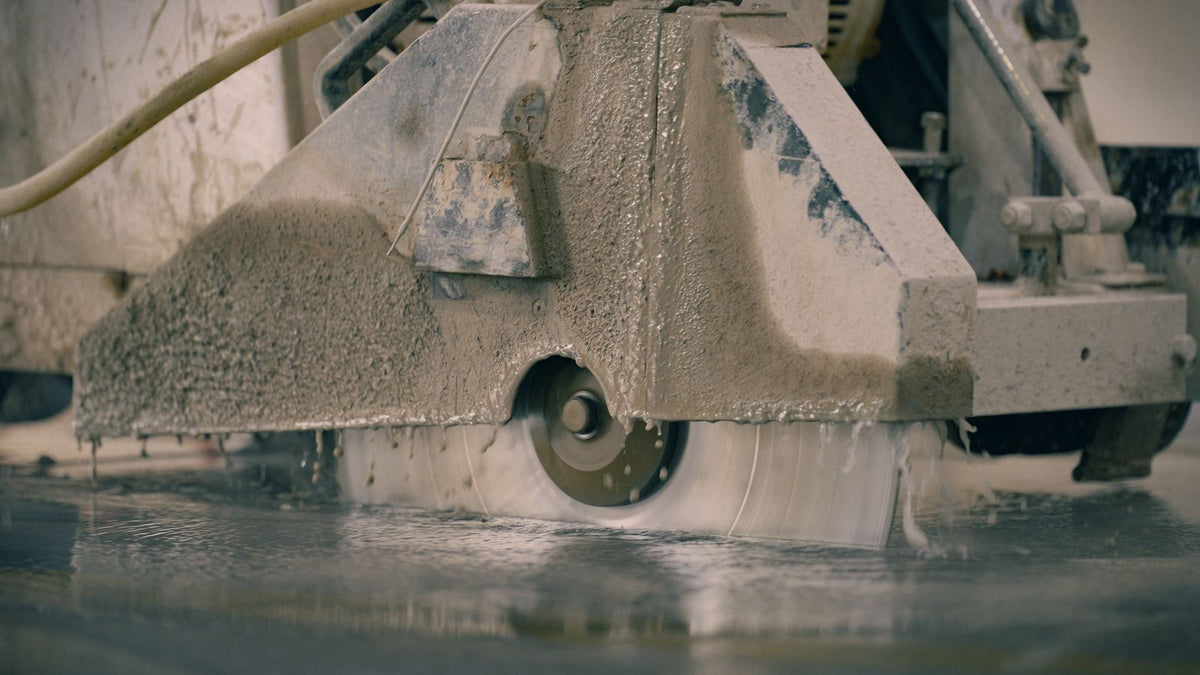
For crews running angle grinders on masonry, that usually means water feed or a shroud connected to a dust extractor, plus the right respirator. Other provinces have their own silica rules, so check with your provincial regulator before starting work.
What this means for WA customers
- Plan purchases by region. Contractors in B.C. and the Prairies may see busier schedules this fall, while shops serving Quebec and Ontario residential work may see a slower pace.
- Stock the right disc for the material. Use masonry-rated cutting discs and grinding wheels on concrete and block, and keep steel-rated cut-off wheels for rebar and framing. Steel discs used on masonry wear quickly and cut poorly.
- Check wheel ratings against your tools. Every disc should match the grinder's size and stay within its maximum RPM, and guards must stay on.
- Budget for dust control. Shrouds, extractors and respirators are part of the cost of masonry cutting and grinding, and regulators expect them.
- Buy for the pipeline. With hundreds of thousands of units already under construction, demand for consumables on active sites should hold up even if new starts stay flat.
Whether your crews are cutting block, grinding slab edges or finishing steel railings, we stock cutting discs, grinding wheels, flap discs and sanding products for Canadian job sites. Browse the full Whitby Abrasives catalog to find the right abrasives for your next project.
Frequently asked questions
Q: Do housing starts affect the price of cutting discs and grinding wheels?
A: Not directly. Housing starts are one signal of construction demand, and the national trend was close to flat in September 2026. Prices for abrasives depend more on raw materials, freight and exchange rates, so steady housing activity on its own is unlikely to move them much.
Q: What dust controls should I use when cutting or grinding concrete?
A: WorkSafeBC recommends water to keep dust from becoming airborne and local exhaust ventilation on equipment that generates silica dust. Respirators are the least effective control and should be used with at least one other control in place. Check the rules in your own province before starting work.
Q: Which abrasives do I need for masonry and concrete work?
A: Use cutting discs and grinding wheels rated for masonry or stone, matched to your grinder's size and maximum RPM. Discs made for steel wear quickly on concrete and leave a rougher cut.