
Automakers are putting more aluminum into vehicles every model year, and the shift is accelerating as EV production ramps up. For shops that cut, grind, and finish metal, that trend changes more than the material on the bench. Aluminum behaves differently than steel under an abrasive, and treating it like just another metal creates safety and quality problems that steel work never did.
The push toward aluminum
The Aluminum Association projects that aluminum content in light vehicles will grow by nearly 100 pounds per vehicle between 2020 and 2030, reaching an average of 556 pounds per vehicle by the end of the decade. Battery electric trucks are expected to go further still, with models like the Ford F-150 Lightning averaging more than 644 pounds of aluminum by 2030.
The growth is concentrated in body-in-white structures, battery housings, e-motor components, doors, and rockers, all areas where automakers need to shed weight to offset battery mass and extend range. Extrusions are a big part of that shift too, gaining an estimated 58 pounds per vehicle between 2022 and 2030. Outside the auto sector, aerospace and general fabrication have been moving the same direction for years to cut weight without giving up strength.
Why aluminum is a different job than steel
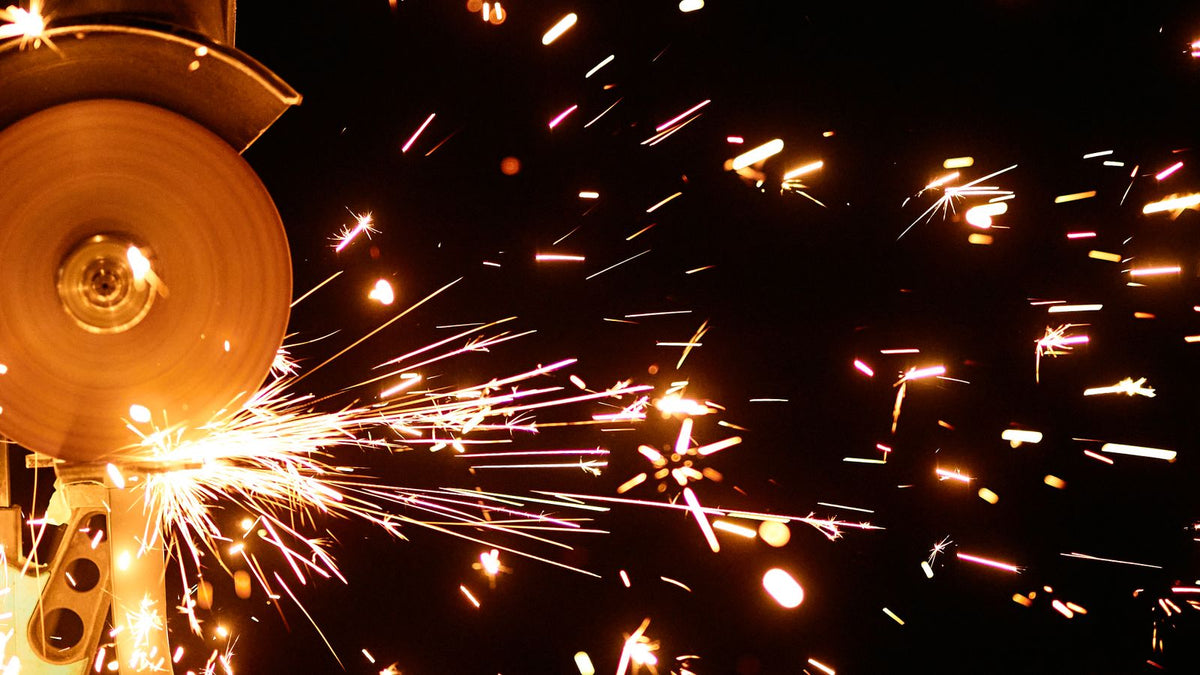
Aluminum dust is combustible, and under the right concentration and an ignition source like a spark or weld arc, it can become explosive. NFPA 484, the standard covering combustible metals, singles out aluminum and magnesium as primary concerns during grinding, deburring, cutting, blasting, and polishing. Since 2015, the standard has not permitted dry-type dust collectors for aluminum indoors. Shops working aluminum need wet downdraft tables or dust collection systems built for combustible metal, not the standard dry collector sitting in the corner.
Cross-contamination is the other issue steel work doesn't have. Aluminum is soft, and any wheel, disc, or wire brush that has touched steel carries embedded iron particles. Run that same tool over aluminum and those particles get pressed into the surface. Given time and moisture, the result is a white, powdery galvanic corrosion or after-rust that shows up long after the part left the shop. The fix is straightforward: keep a dedicated set of abrasives and brushes for aluminum and never let them cross over to steel.
What this means for WA customers
Shops taking on more EV, aerospace, or general aluminum fabrication work should treat the material split as routine, not an exception. A few practical steps:
- Keep separate flap discs, cutting wheels, surface conditioning discs, and wire brushes for aluminum, labeled and stored apart from anything used on steel.
- Check your dust collection setup against NFPA 484 before aluminum volume climbs. A dry collector rated for steel dust is not automatically compliant for aluminum.
- Choose open-coat, non-loading abrasives built for softer, gummier metals so wheels don't clog and overheat on aluminum.
- Train staff to recognize that a wheel's history matters. A disc that has cut steel, even once, is no longer a clean choice for aluminum.
None of this requires an overhaul, just a system. As more Canadian shops pick up mixed-material jobs, the ones with that system in place will spend less time chasing corrosion callbacks and dust collection citations.
Browse our full range of flap discs, cutting wheels, and surface conditioning products at whitbyabrasives.ca/collections/all.
Frequently asked questions
Can I use the same flap disc on steel and aluminum?
No. Steel particles embedded in a disc from prior use will transfer into aluminum and cause galvanic corrosion or after-rust over time. Keep dedicated abrasives for each metal.
Is aluminum dust actually dangerous?
Yes. Aluminum dust is classified as combustible under NFPA 484, and can become explosive when suspended in air near an ignition source such as a spark or weld arc.
What kind of dust collector do I need for aluminum grinding?
NFPA 484 has not permitted dry-type indoor dust collectors for aluminum since 2015. Shops need wet downdraft tables or dust collection systems designed for combustible metal.