
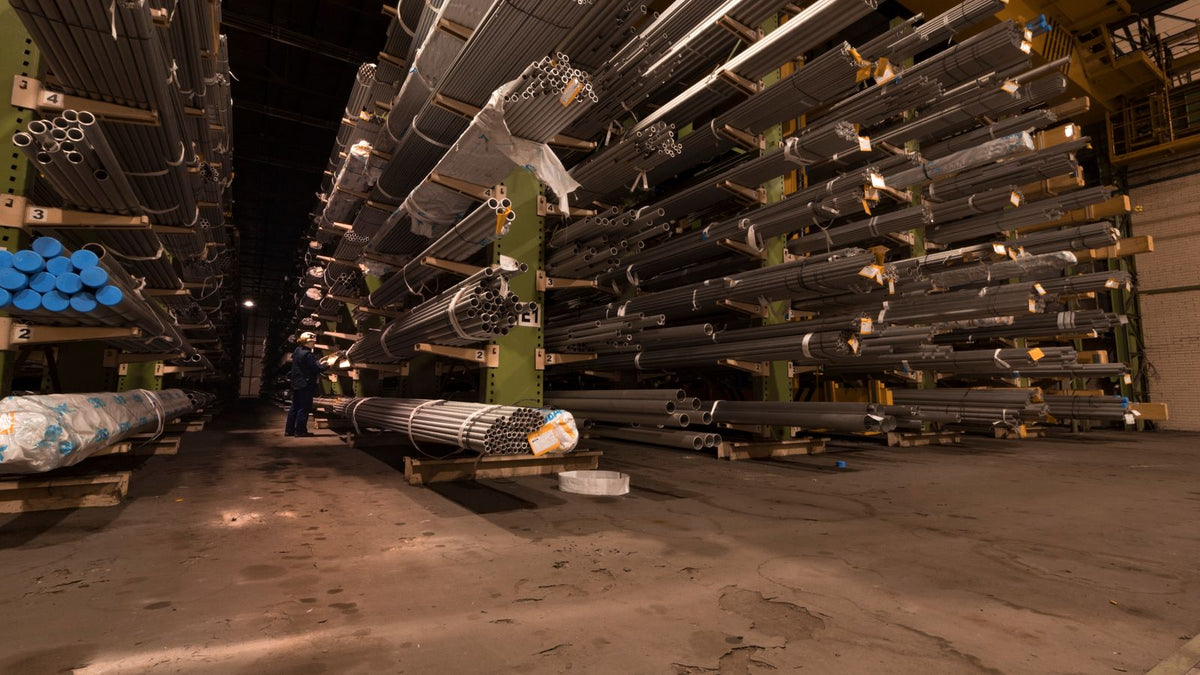
Canada's Department of Finance confirmed on August 25, 2026 that a new round of retaliatory tariffs on American goods takes effect September 8. The measures cover more than 700 US product categories worth roughly $27.6 billion, with steel and aluminum tariffs doubling from 25% to 50% and tools and construction-related hardware landing in that same top bracket.
For Canadian fabrication and metalworking shops, this is a different kind of tariff story than the abrasives pricing news of the past few weeks. Earlier changes centered on US duties reshaping costs for Asian-made abrasives working their way through North American supply chains. This round is Canada taxing American products directly, and steel, aluminum, and tools sit inside the highest bracket.
What's covered, and at what rate
Canada's countermeasures apply three tariff tiers of 15%, 25%, and 50% across the affected US product categories. Steel and aluminum products previously taxed at 25% move to 50%, while derivative steel and aluminum goods face 25%. Tools and construction-related hardware also land in the 50% bracket. The full list extends beyond metals and hardware to seafood, dairy, household appliances, furniture, and electronics, but for shops running grinders, cutters, and fabrication equipment, the steel, aluminum, and tools lines are the ones that matter most.
Why steel, aluminum, and tools got singled out
Finance Minister Champagne said the targeted sectors were those judged most heavily affected by the US tariffs, concentrating pressure on categories where American exporters have the most at stake. Canada exported roughly $7.1 billion in steel and $9.4 billion in aluminum to the US in 2024, so doubling duties on that trade applies real leverage. The measures mirror the Section 232 and Section 338 tariffs the US imposed on Canadian steel, aluminum, and other goods earlier this year.
Ottawa paired the countermeasures with a $7.5 billion support package for affected workers and businesses. That includes $1.5 billion in additional funding for the Regional Tariff Response Initiative, a new $2 billion Canada Strong Diversification Fund for tariff-impacted companies, and $3.5 billion in worker supports such as extended Employment Insurance measures.
What this means for WA customers
- Sourcing matters more than it did a month ago. Grinding wheels, cutting discs, and other abrasives manufactured in Canada or shipped through non-US channels sidestep this tariff entirely.
- Steel and aluminum stock costs could shift too. Shops buying American steel or aluminum for fabrication should expect landed costs on that material to move once the 50% rate lands September 8. Locking in near-term stock ahead of the effective date is a reasonable hedge for shops with the storage to support it.
- Tool purchases deserve a second look. With tools and construction hardware in the 50% bracket, timing planned equipment or power tool purchases before September 8, or sourcing Canadian-made alternatives, can avoid the increase outright.
- Support programs exist for affected businesses. Shops facing real cost pressure from these measures may qualify for relief through the Regional Tariff Response Initiative or the Canada Strong Diversification Fund. Checking eligibility with a regional development agency is a reasonable next step.
Whitby Abrasives stocks and ships from Canada, keeping grinding wheels, cutting discs, flap discs, and sanding belts out of this particular cross-border tariff fight. Browse the full catalog of grinding wheels, cutting discs, flap discs, and sanding belts to see current stock.
Frequently asked questions
Do these new tariffs apply to grinding wheels and abrasives bought in Canada?
The countermeasures target US-origin goods entering Canada, so abrasives manufactured in Canada or sourced outside the US are not directly affected. The exposure applies to steel, aluminum, tools, and other listed categories imported from the United States specifically.
When do the new tariffs take effect?
September 8, 2026, per the Department of Finance's August 25, 2026 announcement.
Is there support available for businesses affected by the tariffs?
Yes. Ottawa's $7.5 billion package includes an expanded Regional Tariff Response Initiative, a new Canada Strong Diversification Fund, and worker-focused Employment Insurance extensions. Eligibility depends on sector and business size, so shops should check with their Regional Development Agency.