
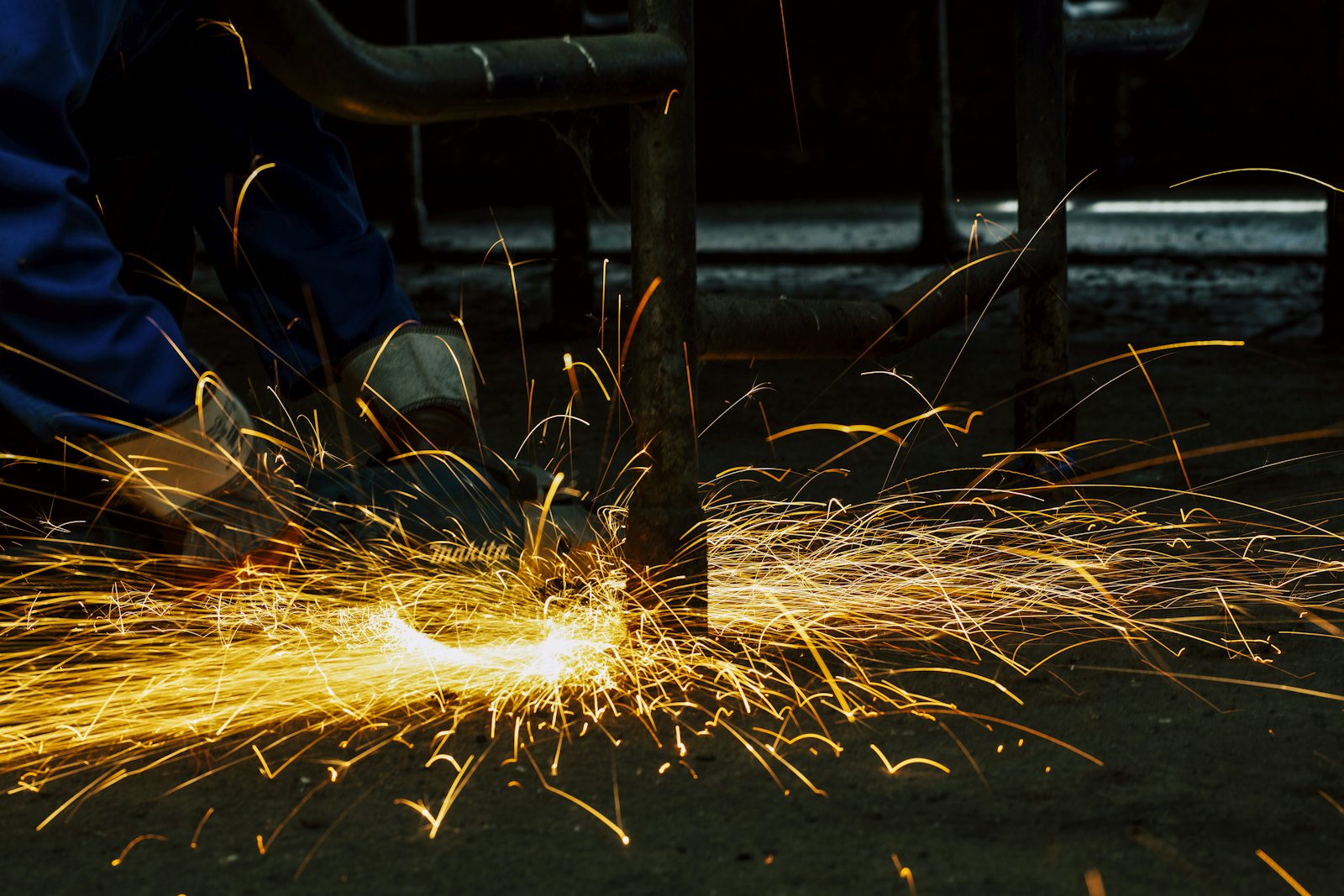
If you have shopped for cutting discs, flap discs or sanding belts lately, you have probably noticed more products labelled "ceramic" or "ceramic alumina" — often at a higher price than the aluminum-oxide and zirconia products you may be used to. That shift is not just marketing. Industry analysts agree on the trend heading through 2026: efficiency, safety and engineered-grain innovation are converging, and ceramic grain is moving from a premium niche to the default choice for demanding metalwork. At Whitby Abrasives, we are seeing that shift in what our customers ask for — so here is a plain-English look at what is changing, why it matters, and how to decide whether ceramic-grain abrasives belong in your shop.
The 2026 story: smarter grains, not just harder ones
For decades, the rule of thumb was simple — harder grain lasts longer. The newer generation of engineered ceramic grains rewrites that logic. Instead of relying purely on hardness, ceramic abrasive grains are designed to micro-fracture in a controlled way as they wear, constantly exposing fresh, sharp cutting edges. The industry calls this self-sharpening behaviour, and it is the reason a quality ceramic disc can keep cutting fast long after a conventional disc has dulled and started to glaze.
Leading abrasive manufacturers have built entire product lines around shaped and engineered ceramic grain, and market trackers project the ceramic and zirconia-alumina grain segments to keep growing at a mid-single-digit annual clip through the early 2030s. The takeaway for buyers: premium ceramic options are no longer specialty items — they are becoming mainstream across coated and bonded abrasives, and Whitby Abrasives is expanding its range to match.
Why it matters: speed, heat and disc life
The practical benefits of engineered ceramic grain show up in three places every operator cares about:
- Faster stock removal. Ceramic grain requires less grinding force to bite into the workpiece, so you remove more material per pass and spend less time leaning on the tool.
- Cooler cutting. Because the grain stays sharp and cuts cleanly rather than rubbing, it generates less heat. That protects the metallurgy of the workpiece — a real concern on stainless and heat-sensitive alloys — and reduces the bluing and burn marks that mean rework.
- Longer life. The self-sharpening action means the disc keeps performing instead of glazing over, so you change consumables less often and throw away fewer half-worn discs.
On paper that sounds like a premium-price story. In practice, fewer disc changes and faster cycle times often offset the higher unit cost, especially in production environments where downtime and labour are the real expenses.
The safety angle the industry is leaning into
Operator health and safety is the second half of the 2026 trend, and it ties directly to grain technology. Cooler, faster-cutting abrasives mean less time with a spinning wheel against the work, less heat, and in many cases less vibration and dust over the life of a job. Less time on the tool is less exposure — to noise, to airborne particulate, and to fatigue-related slips.
None of that replaces the fundamentals. Whatever grain you run, the basics still apply: match the wheel's maximum RPM to your tool, never exceed the rated speed, use guards and face and eye protection, inspect discs for cracks before mounting, and respect the shelf life on bonded products. Better abrasives reduce exposure — they do not remove the need for safe practice.
What this means for Whitby Abrasives customers
For tradespeople, fabricators and shop owners buying abrasives in Canada, the move toward ceramic grain is worth a deliberate look rather than an automatic upgrade:
- Match the grain to the job. For heavy stock removal, weld grinding, stainless and hard alloys, ceramic flap discs and grinding wheels usually pay for themselves in throughput and longer life. For light, occasional, or DIY-grade work, conventional aluminum-oxide or zirconia products may still be the better value.
- Think in cost-per-cut, not price-per-disc. A disc that costs more but lasts two or three times as long and works faster is often cheaper overall once you factor in labour and downtime.
- Watch the heat-sensitive work. If you are getting discoloration or warping on thin or stainless stock, a cooler-cutting ceramic option can directly cut your rework.
- Keep safety stock sensible. Because ceramic consumables last longer, you may be able to carry fewer units while keeping more uptime on the floor.
The bottom line: 2026 is making high-performance abrasives more accessible, and choosing the right grain for the right job is one of the easiest wins for productivity and finish quality in any metalworking shop. Whitby Abrasives is here to help you pick it.
Browse the full Whitby Abrasives range of cutting discs, grinding wheels, flap discs and sanding belts at whitbyabrasives.ca, or explore our complete catalogue to find the right abrasive for your next job.