
Abrasives buyers across Canada have spent 2026 watching invoices creep upward. Raw material costs, tariffs on imported goods, and ocean shipping disruptions have combined to push prices for grinding wheels, cutting discs, and coated abrasives higher for much of the year, and procurement teams are adjusting how they buy to keep production running.
Global shipping networks are starting to normalize after nearly two years of Red Sea disruption. The cost pressure has not disappeared, but the shape of the problem is shifting, and that matters for how shops plan their next few purchase orders.
Why abrasives costs kept rising
Manufacturing input prices have risen for 22 consecutive months, with newly imposed tariffs on multiple trading partners cited as a factor keeping costs elevated. For abrasives specifically, raw materials like aluminum oxide and zirconia remain sensitive to global energy prices, since producing synthetic mineral grain is an energy-intensive process. When energy costs climb, grain costs follow, and that shows up in finished wheel and disc pricing months later.
Tariffs have compounded the effect. Abrasives imported from certain countries have faced duties that pushed material costs up by double digits in some categories this year, on top of the underlying raw material inflation.
Shipping is easing, but lead times still reflect the disruption
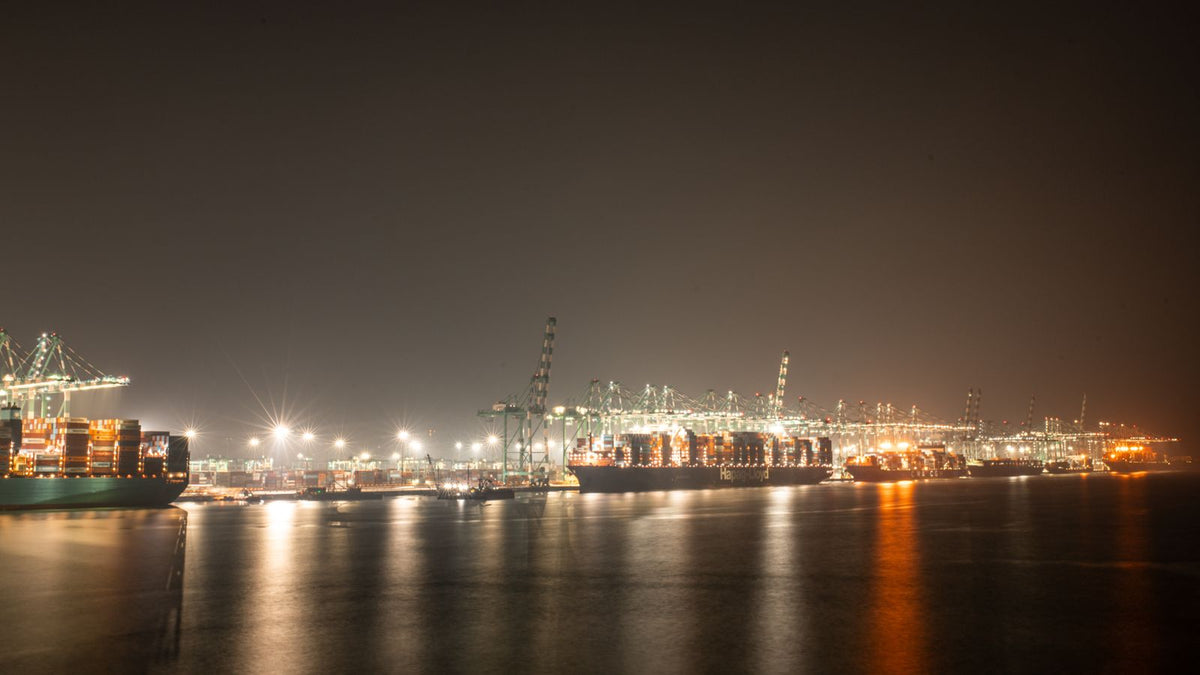
For most of 2026, carriers avoided the Red Sea and routed ships around Africa's Cape of Good Hope instead, adding roughly a week or more to transit times on major trade lanes and absorbing a meaningful share of global container capacity. That squeeze made it harder for distributors to keep imported abrasives in stock on predictable timelines.
That picture has started to change. Carriers began shifting services back toward the Suez Canal in September, with one major container line reporting that Asia-Europe routing has reached roughly a quarter of pre-crisis normalization. Transit times on some restored routes are dropping by a week or more. Full normalization will take longer, and near-term lead times still reflect the last two years of disruption.
How shops are adjusting how they buy
Procurement teams managing these pressures are converging on a few practical habits:
- Consolidating orders with fewer trusted suppliers to improve negotiating leverage and simplify tracking.
- Buying core consumables in bulk to lock in pricing before the next increase.
- Building lead time buffers into ordering schedules months in advance, instead of restocking reactively when bins run low.
- Comparing total landed cost, including freight and lead time, rather than unit price alone when evaluating suppliers.
Each of these requires committing to a plan months before a shortage hits.
What this means for WA customers
Canadian shops buying grinding wheels, cutting discs, flap discs, and sanding belts should expect pricing to stay firm through the rest of 2026, even as shipping conditions improve. Building a standing order schedule for core consumables, rather than ordering only when stock runs low, helps avoid rush premiums and backordered sizes. Working with a supplier who holds Canadian inventory also reduces exposure to the cross-border tariff and freight swings driving a lot of this volatility.
For shops planning larger jobs, confirm lead times on specialty wheels and belts further in advance than usual this year.
Frequently asked questions
Why have abrasives prices kept rising in 2026?
A combination of factors: raw material costs tied to global energy prices, tariffs on imported goods, and shipping disruptions that pushed carriers onto longer routes around Africa instead of through the Suez Canal.
Is shipping getting better?
Yes, gradually. Carriers began shifting services back to the Suez Canal in September 2026, cutting transit times on some routes, though full normalization is expected to take longer.
What can shops do to manage rising abrasives costs?
Consolidate orders with a trusted supplier, buy core consumables in bulk to lock in pricing, build longer lead time buffers into ordering schedules, and compare total landed cost rather than unit price alone.
Browse WA's current stock of grinding wheels, cutting discs, flap discs, and sanding belts in the full catalog to plan ahead on your next order.