
Réponse rapide
Un fournisseur d’abrasifs stockés au Canada conserve les disques et les meules finis dans un entrepôt canadien; les commandes sont donc expédiées en quelques jours plutôt qu’après les 7-11 semaines nécessaires à une importation maritime. Pour les acheteurs canadiens, cela signifie aussi un corridor d’importation presque exempt de droits (les abrasifs du chapitre 68 entrent à 0% au tarif NPF), un programme à paliers pour revendeurs et de l’information sur les marquages prévus par les normes de sécurité reconnues.
Ce que signifie « stocké au Canada » (et ce que cela ne signifie pas)
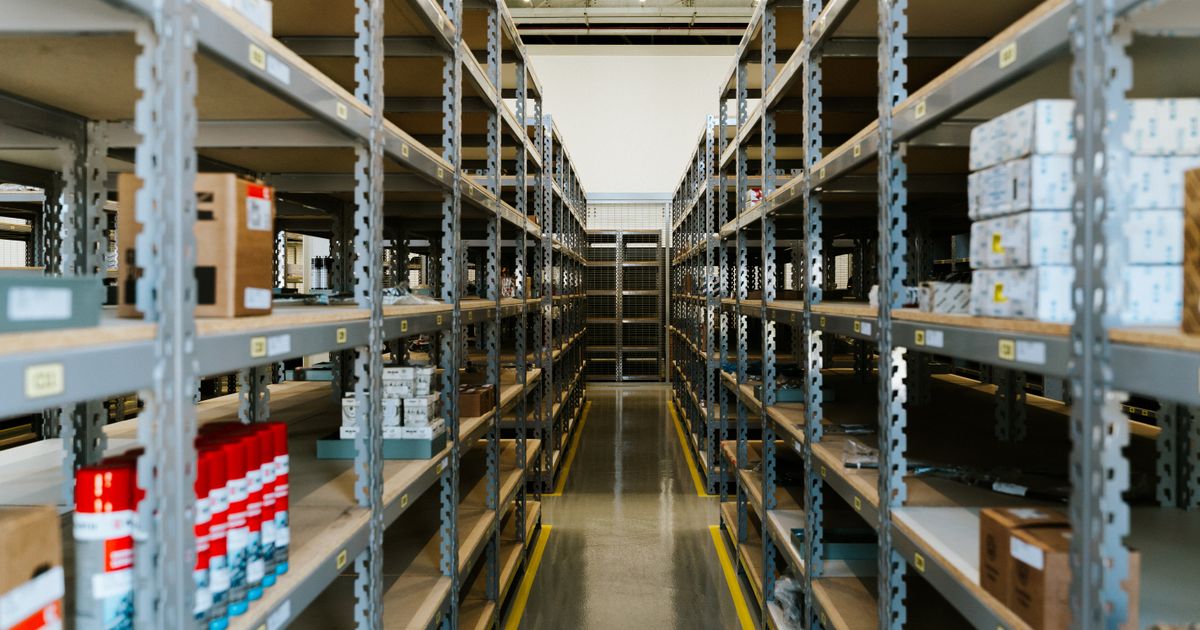
La distinction est importante tant pour l’approvisionnement que pour la conformité. Whitby Abrasives est un distributeur de gamme économique : il s’approvisionne en abrasifs finis auprès d’un fabricant étranger, importe et dédouane les marchandises, puis les entrepose à Whitby, en Ontario. Le produit est en stock au Canada, avec expédition depuis Whitby, en Ontario, et fabrication à l’extérieur du Canada; « stocké au Canada » décrit l’endroit où les stocks se trouvent physiquement et d’où ils sont expédiés, et non leur lieu de fabrication.
C’est là la source de l’avantage, et non une mesure de prudence. L’acheteur profite d’un service d’entrepôt canadien qui s’ajoute à une chaîne d’approvisionnement à l’importation efficace. Ce que vous achetez auprès d’un fournisseur qui tient ses stocks au Canada, c’est la proximité, la gestion documentaire et la prévisibilité — et non une usine différente.
Les marchandises sont importées par voie maritime, dédouanées par un courtier en douane canadien et entreposées dans nos installations de Whitby, en Ontario, pour un délai d’importation estimé à environ 7–11 semaines. Ce délai est toute la raison commerciale d’un stock au pays : le circuit d’importation est trop long et trop variable pour servir une commande la semaine même; l’entrepôt absorbe donc le délai pour le compte de l’acheteur.
Délai : quelques jours depuis un entrepôt canadien contre des semaines depuis un conteneur
L’avantage le plus évident d’acheter au Canada des abrasifs provenant de stocks canadiens est la rapidité du réapprovisionnement.
| Mode d’approvisionnement | Délai de traitement habituel | Ce que cela signifie pour un atelier |
|---|---|---|
| Stock canadien (entrepôt de Whitby, en Ontario) | Transport par colis ou messagerie, en jours | Commandez de nouveau lorsque le stock baisse; aucune planification de production requise |
| Importation directe de Chine, par mer | ~7-11 semaines de la Chine à l’entrepôt | Il faut prévoir un trimestre complet à l’avance; une commande urgente ne peut pas éviter une rupture de stock |
| Importation directe de Chine par Amazon FBA | ~9-14 semaines (7-11 sem. par mer/voie terrestre + 1-3 sem. de réception FBA) | Le délai final de réception prolonge encore l’horizon de planification |
Le trajet maritime à lui seul prend environ 30-45 jours de port à port, et l’itinéraire le fait varier considérablement : Shanghai-Vancouver prend environ 14-17 jours de port à port, tandis que Shanghai-Toronto ou Shanghai-Montréal prend environ 28-35 jours (Maskura, ZGGShip, 2025). Cet écart d’itinéraire de 2-3 semaines n’est pas seulement une livraison plus lente — c’est une incertitude, qui oblige à conserver davantage de stock de sécurité. Un acheteur qui importe pour son propre compte assume cette variabilité; celui qui commande auprès d’un fournisseur ayant des stocks au Canada ne l’assume pas, car le fournisseur a déjà payé le coût du délai et conserve le stock tampon. Un article à rotation rapide dont la réserve couvre 1-13 jours ne peut pas être sauvé par une nouvelle commande en Chine avant la rupture; l’entrepôt relève donc d’une discipline, et non d’une simple commodité.
Droits de douane : pourquoi le corridor d’importation canadien est presque exempt de droits
La sécurité d’approvisionnement tient en partie aux droits de douane, et le contraste entre le Canada et les États-Unis est frappant. Pour les acheteurs canadiens, les abrasifs font partie des rares catégories d’origine chinoise qui échappent presque entièrement aux vagues de surtaxes de 2024-2025.
Les abrasifs agglomérés et les abrasifs appliqués sont classés dans le Système harmonisé, au chapitre 68, auquel s’applique un tarif de la nation la plus favorisée en franchise (0%). Le Tarif des douanes de l’ASFC (publié le 1 janvier 2026) confirme que chaque sous-position pertinente — 6804.22 pour les disques à tronçonner à liant résine/céramique, les meules et les disques à lamelles, et 6805.10/.20/.30 pour les produits de ponçage appliqués — est en franchise au tarif NPF (barème de l’ASFC, chapitre 68, 2026). La Chine ne bénéficie d’aucun tarif préférentiel auprès du Canada; les abrasifs d’origine chinoise sont donc simplement assujettis au tarif NPF, qui est déjà de 0%. Les surtaxes de 2024-2025 visaient l’acier, l’aluminium (chapitres 72/73/76 du SH) et les véhicules électriques (chapitre 87) — et non le chapitre 68. Les meules abrasives sont classées selon leur corps abrasif, et non selon un éventuel plateau de support ou arbre en acier; elles sont donc exclues de tous les décrets de surtaxe visant la Chine :
| Mesure (instrument) | Entrée en vigueur | Taux | Vise les abrasifs (6804/6805)? |
|---|---|---|---|
| Décret de 2024 sur la surtaxe visant la Chine — VE (DORS/2024-187) | 1 oct. 2024 | 100% | Non (véhicules du chapitre 87) |
| Surtaxe visant la Chine — modification concernant l’acier et l’aluminium (AD 24-36) | 22 oct. 2024 | 25% | Non (chap. 72/73/76) |
| Décret imposant une surtaxe sur les produits en acier et les produits en aluminium (DORS/2025-154) | 31 juill. 2025 | 25% | Non (acier fondu et coulé en Chine) |
| Décret imposant une surtaxe sur les marchandises dérivées de l’acier (DORS/2025-267) | 26 déc. 2025 | 25% | Non — vise les boulets de broyage (7326.11.00), mais pas les meules abrasives (6804) |
Le taux net effectif d’impôt à l’importation non récupérable sur les abrasifs chinois entrant au Canada atteint environ 0% : les droits de douane sont de $0 en vertu du chapitre 68, et la TPS de 5% est récupérable par un importateur inscrit à la TPS sous forme de crédit de taxe sur les intrants; il s’agit donc d’un élément de trésorerie plutôt que d’un coût réel (Canada.ca, TPS/TVH sur les importations; droit au CTI P-125). Les véritables pressions sur le coût rendu sont les devises et le fret maritime, et non les droits.
À l’inverse, dans le corridor américain, les mêmes marchandises d’origine chinoise sont assujetties à un tarif de la liste 3 de l’article 301 de 25% plus une surtaxe temporaire de l’article 122 de 10%, soit un cumul effectif qui atteint environ 35% au milieu de 2026 (USTR, 2026; Covington, 2026). Les droits de l’article 301 dépendent de l’origine, et non du pays d’exportation; renommer ou entreposer au Canada des disques fabriqués en Chine n’entraîne pas de changement du pays d’origine et n’apporte aucun avantage du côté américain (19 CFR 134.1(b)). L’avantage de la franchise de droits est précisément un avantage du marché canadien et il contribue fortement au prix que vous payez. (Un point à surveiller : un produit doté d’un noyau d’acier substantiel fondu et coulé en Chine pourrait, en principe, être visé par la surtaxe sur la teneur en acier, DORS/2025-154 — ce n’est pas une préoccupation actuelle pour les disques à liant résine et céramique qui dominent l’offre, mais les accessoires à corps d’acier devraient être classés avec soin.)
Sécurité d’approvisionnement : le compromis de résilience, en toute franchise
Une longue chaîne d’approvisionnement à source unique combine les deux pires caractéristiques : aucune solution de rechange lorsque le seul maillon cède, et un délai de rétablissement équivalant à un nouveau cycle de commande complet d’environ 7-11 semaines (Resilinc, SupplierWiki, 2025). Un fournisseur qui tient des stocks au Canada n’élimine pas ce risque; il absorbe dans un stock tampon canadien, transformant un problème de résilience en amont en un problème de gestion des stocks — exactement le type de problème qu’un entrepôt est conçu pour résoudre. Le stock tampon qui vous protège est déjà payé, ce qui fait de la tenue de stocks au pays la mesure d’atténuation courante la plus directe (les autres étant une deuxième source qualifiée ou la régionalisation).
Normes et données d’essai : pourquoi « le moins cher » ne devrait pas signifier « le plus risqué »
Acheter au plus bas prix n’a de sens que si le faible prix ne signifie pas un manque de preuves. Whitby Abrasives s’appuie sur trois piliers de marque — Coupe constante, durée prévisible, sécurité de l’opérateur — et communique de l’information sur les cotes et les marquages prévus par les normes de sécurité reconnues pour chaque outil. Dans un marché où la plupart des marques importées à bas prix misent uniquement sur le prix et étayent très peu leurs affirmations de sécurité, les « normes et données d’essai » permettent à un fournisseur de gamme économique de se distinguer autrement que par le plus bas coût unitaire. L’acheteur recherche une marge de sécurité mesurable contre l’éclatement d’une meule à vitesse élevée, ainsi que des spécifications transparentes — évaluées selon les normes suivantes :
| Norme | Région | Multiple de la vitesse de fonctionnement max lors de l’essai d’éclatement/de résistance | Remarques |
|---|---|---|---|
| EN 12413:2019 | Europe | 1.73x vitesse de destruction | + date d’expiration obligatoire sur les disques en résine (B/BF), pictogrammes EN ISO 7010 |
| ANSI/UAMA B7.1-2017 | États-Unis / Canada | 1.5x (≈110%-150% selon le type, essai de résistance en usine) | sceau UAMA; reconnu par l’OSHA |
| classification FEPA « P » | Europe | s. o. (tolérance du grain) | Encadre la taille moyenne des grains, l’écart et la teneur en particules surdimensionnées |
Les avantages vérifiables sont concrets : indiquez le facteur de sécurité à l’éclatement auquel le fabricant d’origine effectue ses essais (la valeur EN 1.73x / ANSI 1.5x est une affirmation précise que peu de produits importés affichent); nommez la norme de classification pour chaque grain (tolérances FEPA « P » par rapport à l’échelle CAMI moins stricte); et montrez une estampille d’expiration valide sur les disques en résine (oSa, 2026; référence sectorielle, 2026; FEPA, 2026). Pour une vente au Canada ou aux États-Unis, le cadre le plus pertinent est ANSI/UAMA B7.1 avec le sceau UAMA. Une meule ne peut être qualifiée de « conforme » que si la preuve y est imprimée : la vitesse de fonctionnement maximale en RPM (tr/min) et en m/s (la donnée de sécurité la plus importante), la chaîne de spécifications complète (type d’abrasif, grain, grade, liant), la traçabilité du fabricant, les pictogrammes de danger EN ISO 7010 et — pour les meules à liant résine (B/BF) pour machines portatives — une date d’expiration d’au plus 3 ans après la fabrication, car les liants de résine se dégradent sous l’effet des UV, de l’humidité et de la température.
Une mise en garde franche : les « normes et données d’essai » constituent une exigence selon laquelle le fournisseur s’approvisionne et rédige ses spécifications, et non un portefeuille vérifié et audité par un tiers; toute affirmation précise relative à une norme devrait donc d’abord être confirmée à partir des certificats réels de l’usine. C’est précisément pourquoi un distributeur canadien doté d’un programme documenté de conformité douanière et de classement par code SH est une contrepartie plus responsable qu’une annonce étrangère anonyme. Pour savoir comment des essais indépendants étayent une affirmation concernant un abrasif, consultez comment les données d’essai et ISO/IEC 17025 étayent les affirmations concernant les abrasifs; pour comprendre la signification des marquages, consultez l’explication d’EN 12413, d’oSa et d’ANSI B7.1.
Le programme pour revendeurs : abrasifs en gros au Canada à prix commercial
Pour les revendeurs et les marchands qui tiennent des stocks, un programme pour revendeurs élimine l’une des couches de majoration de la chaîne. Whitby Abrasives offre une tarification par volume à paliers aux marchands qui tiennent des stocks, aux distributeurs et aux partenaires de fabricant d’origine ou de marque privée — demandez une soumission pour revendeur. Comme les abrasifs sont des consommables destinés à la revente, le prix revendeur laisse encore au partenaire une marge de majoration et la possibilité d’être concurrentiel sur le prix.
La recommandation de Whitby Abrasives
Si vous achetez des abrasifs en volume au Canada, le calcul d’approvisionnement favorise les stocks canadiens : des délais de quelques jours plutôt que de plusieurs semaines, un corridor d’importation du chapitre 68 presque exempt de droits, un programme pour revendeurs qui soutient votre marge et des indications permettant de vérifier les marquages prévus par les normes reconnues, plutôt qu’un achat fondé uniquement sur le prix. Whitby Abrasives est un distributeur de gamme économique dont les stocks sont au Canada — de qualité industrielle, jamais digne d’un jouet — et l’objection évidente (le moins cher est le plus risqué) est justement ce à quoi répondent les normes et les données d’essai : le prix repose sur la base de coûts du fabricant d’origine; les preuves font la différence.
Commencez par la collection des meilleures ventes pour les UGS en stock à rotation la plus rapide, ou composez une trousse d’atelier à partir des essentiels pour la fabrication métallique. Avant de comparer uniquement le prix affiché, lisez le coût réel des abrasifs bon marché — c’est sur le coût par coupe, et non sur le prix par disque, qu’un fournisseur disposant de stocks et de spécifications exactes l’emporte réellement.
Foire aux questions
D’où proviennent les produits Whitby Abrasives?
Ils sont en stock au Canada, avec expédition depuis Whitby, en Ontario, et fabrication à l’extérieur du Canada. Whitby Abrasives est un distributeur de gamme économique qui s’approvisionne en abrasifs finis auprès d’un fabricant étranger et les entrepose à Whitby, en Ontario. Le pays d’origine est la Chine; « stocké au Canada » signifie que les stocks sont expédiés rapidement depuis un entrepôt canadien.
À quelle vitesse un fournisseur ayant des stocks au Canada peut-il expédier par rapport à une importation directe?
Les stocks canadiens sont expédiés selon les délais de transport par messagerie ou colis — en quelques jours. Une importation directe de Chine prend environ 7-11 semaines jusqu’à un entrepôt, ou environ 9-14 semaines si elle passe par Amazon FBA. L’entrepôt sert précisément à absorber ce délai pour que l’acheteur n’ait pas à prévoir un trimestre à l’avance.
Les acheteurs canadiens paient-ils des droits sur les abrasifs d’origine chinoise?
Dans les faits, non. Les abrasifs agglomérés et les abrasifs appliqués relèvent du chapitre 68 du SH, qui est en franchise (0%) au tarif NPF, et ils sont exclus des surtaxes canadiennes de 2024-2025 sur l’acier, l’aluminium et les VE (barème de l’ASFC, chapitre 68, 2026). La TPS de 5% est récupérable par un importateur inscrit; le taux effectif d’impôt à l’importation non récupérable est donc d’environ 0%.
Pourquoi les droits sont-ils si différents aux États-Unis?
Les entrées américaines des mêmes disques d’origine chinoise sont assujetties à un tarif de 25% en vertu de l’article 301, liste 3, plus une surtaxe temporaire de 10% en vertu de l’article 122 — soit environ 35% au milieu de 2026 (USTR, 2026; Covington, 2026). Les droits de l’article 301 dépendent du pays d’origine, et non du pays d’exportation; l’entreposage au Canada ne réduit donc pas le taux américain.
Quels marquages de sécurité un disque abrasif en stock devrait-il porter?
La vitesse de fonctionnement maximale en RPM (tr/min) et en m/s, la chaîne de spécifications complète (type d’abrasif, grain, grade, liant), la traçabilité du fabricant, les pictogrammes de danger EN ISO 7010 et — pour les meules à liant résine (B/BF) pour machines portatives — une date d’expiration d’au plus 3 ans après la fabrication. EN 12413 fixe un facteur de sécurité à l’éclatement de 1.73x; ANSI/UAMA B7.1 prévoit un essai de résistance en usine à 1.5x.
Existe-t-il un programme pour revendeurs ou achats en gros d’abrasifs au Canada?
Oui. Whitby Abrasives offre une tarification par volume à paliers aux marchands qui tiennent des stocks, aux distributeurs et aux acheteurs de fabricant d’origine ou de marque privée — communiquez avec nous pour obtenir une soumission de revendeur. Comme les distributeurs industriels ajoutent généralement 20–40% au prix de gros, le prix revendeur laisse une marge de majoration tout en permettant de rester concurrentiel.
Sources
- Maskura Logistics / ZGGShip — Shanghai-Vancouver ~14-17 jours, Shanghai-Toronto/Montréal ~28-35 jours de port à port (2025) — https://maskuralogistics.com/shipping-from-china-to-canada/
- ASFC, Tarif des douanes — Annexe, chapitre 68 (publié le 1 janvier 2026) — sous-positions 6804/6805 toutes en franchise au tarif NPF — https://www.cbsa-asfc.gc.ca/trade-commerce/tariff-tarif/2026/01-99/ch68-2026-eng.pdf
- Décret imposant une surtaxe à la Chine (2024), DORS/2024-187 (surtaxe de 100% sur les VE, chapitre 87) — https://gazette.gc.ca/rp-pr/p2/2024/2024-10-09/html/sor-dors187-eng.html
- ASFC, Avis des douanes 25-33 : Décret imposant une surtaxe sur les marchandises dérivées de l’acier (boulets de broyage 7326.11.00, PAS les abrasifs) — https://www.cbsa-asfc.gc.ca/publications/cn-ad/cn25-33-eng.html
- Agence du revenu du Canada, TPS/TVH sur les importations + P-125 Droit au crédit de taxe sur les intrants (TPS de 5% récupérable) — https://www.canada.ca/en/revenue-agency/services/tax/businesses/topics/gst-hst-businesses/charge-collect-imports-exports.html
- USTR — mesures tarifaires de l’article 301 (liste 3, 25% en vigueur) — https://ustr.gov/issue-areas/enforcement/section-301-investigations/tariff-actions
- Covington & Burling — tarifs IEEPA abolis, remplacés par 10% en vertu de l’article 122 (24 févr. 2026) — https://www.cov.com/en/news-and-insights/insights/2026/02/ieepa-tariffs-terminated-replacement-section-122-tariffs-take-effect
- oSa — essais de sécurité des meules (facteur d’éclatement EN 12413 de 1.73x; expiration après 3 ans des meules en résine B/BF) — https://www.osa-abrasives.org/users/safety-tests-of-grinding-wheels-burst-speed-test-infocenter/
- Référence sectorielle neutralisée — sécurité des meules selon ANSI B7.1 (essai de résistance en usine à 1.5x), durée de conservation de la résine et repère 71
- Référence sectorielle neutralisée — comparaison mondiale des normes de sécurité des meules (EN 1.73x, ANSI 1.5x)
- FEPA — normes (portée de la classification des grains FEPA « P ») — https://fepa-abrasives.org/abrasives/standards/
- Conga / Vendavo — majoration du distributeur de 20-40% au-dessus du prix de gros (2025) — https://www.vendavo.com/pricing/distributor-supplier-markups-explained/
- Resilinc / SupplierWiki — résilience d’une chaîne d’approvisionnement à source unique (2025) — https://resilinc.ai/blog/the-dangers-of-single-sourcing-in-your-supply-chain/
Magasinez chez Whitby Abrasives
Abrasifs de qualité industrielle pour les fabricants canadiens — offerts pour commande en ligne et ramassage local à Whitby, en Ontario.
Catalogues de produits : Disques à tronçonner • Disques à meuler • Disques à lamelles • Bandes abrasives • Disques de ponçage • Disques de décapage • Roues de polissage • Roues d’ébavurage en caoutchouc • Roues d’ébavurage en fibre de nylon • Roues à lamelles sur tige • Meules vitrifiées pour touret à meuler • Accessoires
📧 info@whitbyabrasives.com • 📍 1450 Victoria Street East, unité 2, Whitby, ON L1N 0N7 • À propos • Nous joindre