
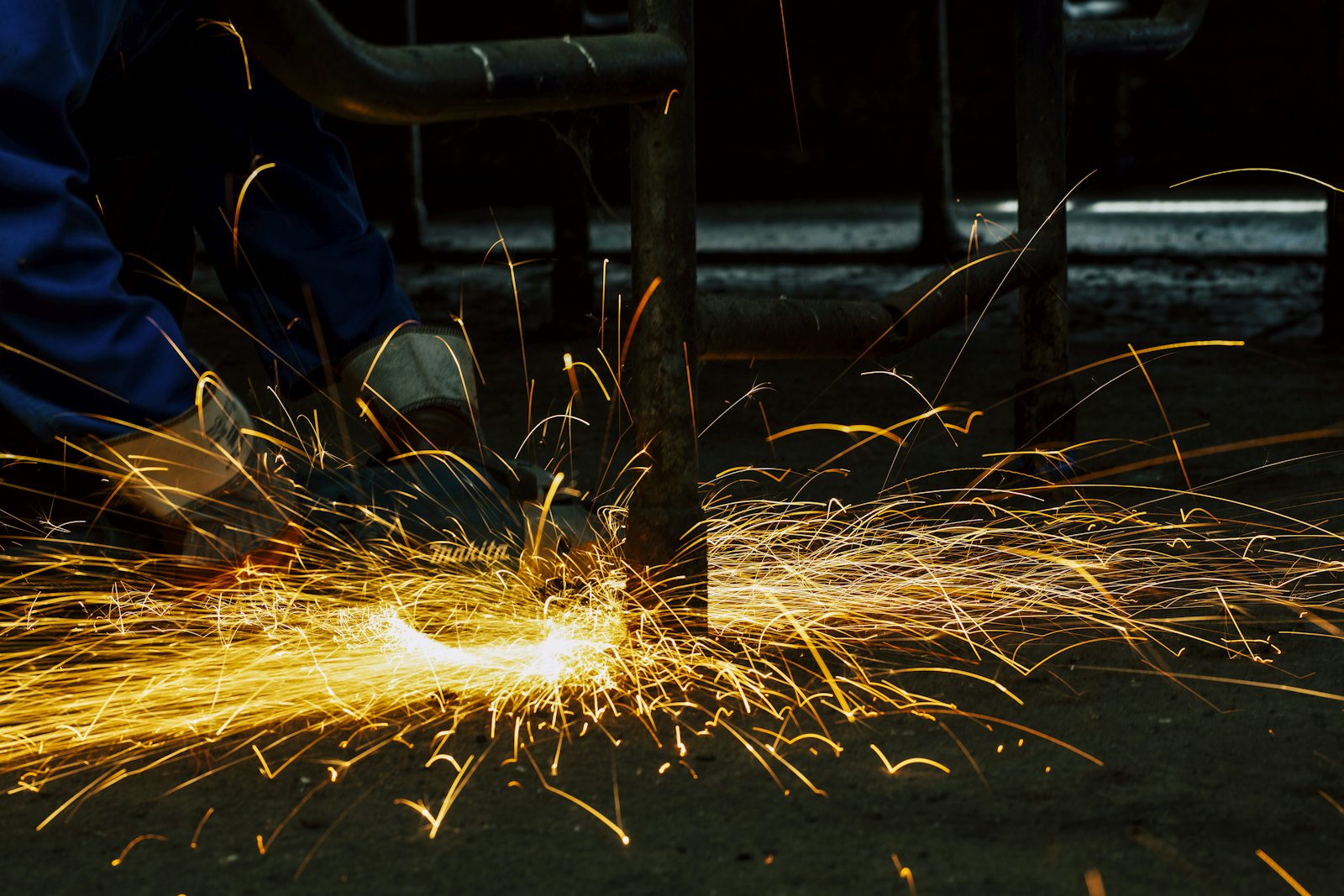
Si vous avez récemment magasiné des disques à tronçonner, des disques à lamelles ou des courroies abrasives, vous avez probablement remarqué davantage de produits étiquetés « céramique » ou « alumine céramique » — souvent à un prix plus élevé que les produits à base d'oxyde d'aluminium et de zirconie auxquels vous êtes peut-être habitué. Ce changement n'est pas qu'une question de marketing. Les analystes de l'industrie s'entendent sur la tendance qui se dessine jusqu'en 2026 : l'efficacité, la sécurité et l'innovation en matière de grain d'ingénierie convergent, et le grain céramique passe d'un créneau haut de gamme au choix par défaut pour les travaux de métallurgie exigeants. Chez Whitby Abrasives, nous observons ce changement dans ce que nos clients demandent — voici donc une explication en termes simples de ce qui change, pourquoi cela importe, et comment décider si les abrasifs à grain céramique appartiennent à votre atelier.
Le bilan 2026 : des grains plus intelligents, pas seulement plus durs
Pendant des décennies, la règle générale était simple — un grain plus dur dure plus longtemps. La nouvelle génération de grains céramiques de haute ingénierie réécrit cette logique. Au lieu de s'appuyer uniquement sur la dureté, les grains abrasifs céramiques sont conçus pour se micro-fracturer de façon contrôlée lors de l'usure, exposant constamment des arêtes de coupe fraîches et tranchantes. L'industrie appelle ce comportement l'auto-affûtage, et c'est la raison pour laquelle un disque céramique de qualité peut continuer à couper rapidement longtemps après qu'un disque conventionnel s'est émoussé et a commencé à se glacer.
Les principaux fabricants d'abrasifs ont construit des gammes de produits entières autour du grain céramique profilé et d'ingénierie, et les observateurs du marché projettent que les segments de grain céramique et d'alumine-zirconie continueront de croître à un rythme annuel à un chiffre modéré jusqu'au début des années 2030. La conclusion pour les acheteurs : les options céramiques haut de gamme ne sont plus des articles spécialisés — elles deviennent courantes dans les abrasifs enduits et liés, et Whitby Abrasives élargit sa gamme en conséquence.
Pourquoi cela importe : vitesse, chaleur et durée de vie du disque
Les avantages pratiques du grain céramique d'ingénierie se manifestent en trois points qui préoccupent chaque opérateur :
- Enlèvement de matière plus rapide. Le grain céramique nécessite moins de force de meulage pour mordre dans la pièce, ce qui vous permet d'enlever plus de matière par passe et de passer moins de temps à appuyer sur l'outil.
- Coupe plus froide. Parce que le grain reste tranchant et coupe proprement plutôt que de frotter, il génère moins de chaleur. Cela protège la métallurgie de la pièce — une préoccupation réelle pour l'inox et les alliages sensibles à la chaleur — et réduit les reflets bleutés et les marques de brûlure qui entraînent des retouches.
- Durée de vie plus longue. L'action d'auto-affûtage permet au disque de continuer à performer au lieu de se glacer, vous changez donc moins souvent les consommables et jetez moins de disques à moitié usés.
Sur le papier, cela ressemble à une histoire de prix premium. En pratique, moins de changements de disques et des temps de cycle plus rapides compensent souvent le coût unitaire plus élevé, surtout dans les environnements de production où les temps d'arrêt et la main-d'œuvre sont les véritables dépenses.
L'angle sécurité sur lequel l'industrie mise
La santé et la sécurité des opérateurs constituent la deuxième partie de la tendance 2026, et elles sont directement liées à la technologie du grain. Des abrasifs qui coupent plus froid et plus vite signifient moins de temps avec une meule en rotation contre la pièce, moins de chaleur, et dans bien des cas moins de vibrations et de poussière pendant la durée de vie d'un travail. Moins de temps sur l'outil, c'est moins d'exposition — au bruit, aux particules en suspension dans l'air, et aux glissements liés à la fatigue.
Rien de tout cela ne remplace les fondamentaux. Quel que soit le grain que vous utilisez, les bases s'appliquent toujours : faites correspondre le régime maximal de la meule à votre outil, ne dépassez jamais la vitesse nominale, utilisez des protections et une protection du visage et des yeux, inspectez les disques pour détecter les fissures avant le montage, et respectez la durée de conservation des produits liés. Les meilleurs abrasifs réduisent l'exposition — ils ne suppriment pas le besoin de pratiques sécuritaires.
Ce que cela signifie pour les clients de Whitby Abrasives
Pour les travailleurs de métier, les fabricants et les propriétaires d'ateliers qui achètent des abrasifs au Canada, le passage au grain céramique mérite un examen délibéré plutôt qu'une mise à niveau automatique :
- Adaptez le grain au travail. Pour l'enlèvement massif de matière, le meulage de soudures, l'inox et les alliages durs, les disques à lamelles céramiques et les meules paient généralement d'eux-mêmes en débit et en durée de vie prolongée. Pour les travaux légers, occasionnels ou de niveau amateur, les produits conventionnels à base d'oxyde d'aluminium ou de zirconie peuvent encore offrir le meilleur rapport qualité-prix.
- Pensez en coût par coupe, pas en prix par disque. Un disque qui coûte plus cher mais dure deux ou trois fois plus longtemps et travaille plus vite est souvent moins cher au total une fois que vous prenez en compte la main-d'œuvre et les temps d'arrêt.
- Surveillez les travaux sensibles à la chaleur. Si vous observez une décoloration ou une déformation sur des matériaux minces ou en inox, une option céramique à coupe froide peut directement réduire vos retouches.
- Gardez un stock de sécurité raisonnable. Parce que les consommables céramiques durent plus longtemps, vous pouvez peut-être porter moins d'unités tout en maintenant plus de temps de fonctionnement en atelier.
Le bilan : 2026 rend les abrasifs haute performance plus accessibles, et choisir le bon grain pour le bon travail est l'un des gains les plus faciles en matière de productivité et de qualité de finition dans tout atelier de métallurgie. Whitby Abrasives est là pour vous aider à faire le bon choix.
Parcourez la gamme complète de disques à tronçonner, meules, disques à lamelles et courroies abrasives de Whitby Abrasives sur whitbyabrasives.ca, ou explorez notre catalogue complet pour trouver l'abrasif idéal pour votre prochain travail.