
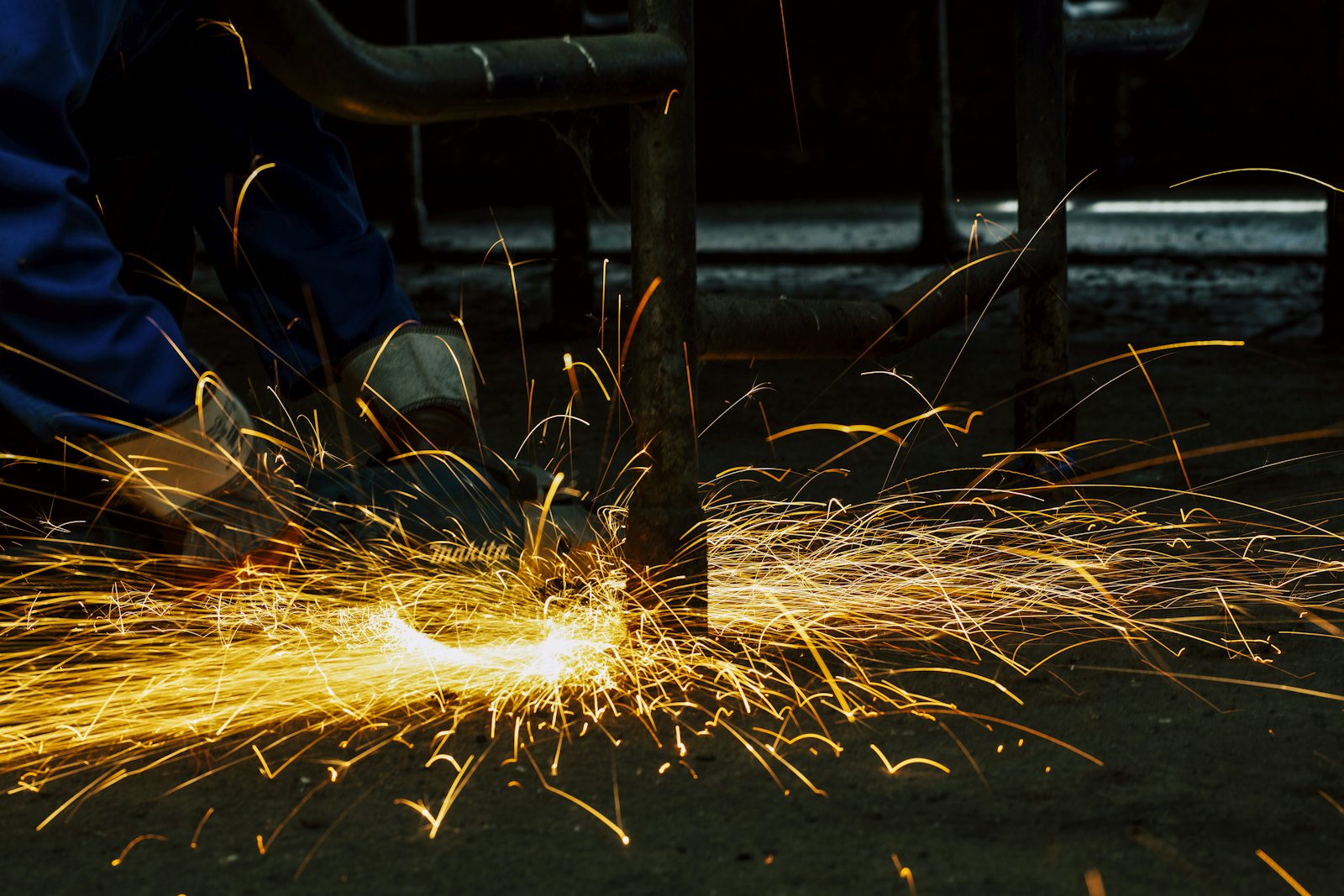
Si ha comprado recientemente discos de corte, discos de láminas o correas abrasivas, probablemente haya notado más productos etiquetados como «cerámico» o «alúmina cerámica» — a menudo a un precio más elevado que los productos de óxido de aluminio y zirconia a los que puede estar acostumbrado. Ese cambio no es solo marketing. Los analistas de la industria coinciden en la tendencia que se mantiene hasta 2026: la eficiencia, la seguridad y la innovación en granos de ingeniería convergen, y el grano cerámico está pasando de un nicho premium a la opción predeterminada para los trabajos de metalurgia exigentes. En Whitby Abrasives, estamos viendo ese cambio en lo que nos piden nuestros clientes — aquí presentamos una explicación en términos sencillos de qué está cambiando, por qué importa y cómo decidir si los abrasivos de grano cerámico pertenecen a su taller.
El panorama de 2026: granos más inteligentes, no solo más duros
Durante décadas, la regla general fue simple — un grano más duro dura más. La nueva generación de granos cerámicos de alta ingeniería reescribe esa lógica. En lugar de basarse únicamente en la dureza, los granos abrasivos cerámicos están diseñados para microfracturarse de forma controlada a medida que se desgastan, exponiendo constantemente aristas de corte frescas y afiladas. La industria denomina este comportamiento autoafilado, y es la razón por la que un disco cerámico de calidad puede seguir cortando rápidamente mucho después de que un disco convencional se haya embotado y comenzado a cristalizarse.
Los principales fabricantes de abrasivos han construido líneas de productos completas en torno al grano cerámico conformado y de ingeniería, y los observadores del mercado proyectan que los segmentos de grano cerámico y de alúmina-zirconia sigan creciendo a un ritmo anual de un dígito medio hasta principios de la década de 2030. La conclusión para los compradores: las opciones cerámicas premium ya no son artículos especializados — se están convirtiendo en estándar en los abrasivos recubiertos y aglomerados, y Whitby Abrasives está ampliando su gama para responder a ello.
Por qué importa: velocidad, calor y vida útil del disco
Los beneficios prácticos del grano cerámico de ingeniería se manifiestan en tres aspectos que preocupan a cada operador:
- Eliminación de material más rápida. El grano cerámico requiere menos fuerza de esmerilado para penetrar en la pieza de trabajo, por lo que se elimina más material por pasada y se dedica menos tiempo a presionar la herramienta.
- Corte más frío. Debido a que el grano permanece afilado y corta limpiamente en lugar de frotar, genera menos calor. Eso protege la metalurgia de la pieza de trabajo — una preocupación real en el acero inoxidable y las aleaciones sensibles al calor — y reduce el azulado y las marcas de quemadura que implican retrabajos.
- Mayor vida útil. La acción de autoafilado permite que el disco siga rindiendo en lugar de cristalizarse, por lo que se cambian los consumibles con menos frecuencia y se descartan menos discos a medio usar.
Sobre el papel, eso parece una historia de precio premium. En la práctica, menos cambios de disco y tiempos de ciclo más rápidos suelen compensar el mayor costo unitario, especialmente en entornos de producción donde los tiempos de inactividad y la mano de obra son los gastos reales.
El ángulo de seguridad en el que la industria se apoya
La salud y la seguridad de los operadores constituyen la segunda parte de la tendencia de 2026, y está directamente vinculada a la tecnología del grano. Los abrasivos que cortan más frío y más rápido implican menos tiempo con una muela giratoria contra la pieza, menos calor y, en muchos casos, menos vibración y polvo durante la vida útil de un trabajo. Menos tiempo en la herramienta es menos exposición — al ruido, a las partículas en el aire y a los resbalones relacionados con la fatiga.
Nada de eso reemplaza los fundamentos. Independientemente del grano que utilice, los conceptos básicos siguen aplicándose: haga coincidir las RPM máximas de la muela con su herramienta, nunca supere la velocidad nominal, use protectores y protección facial y ocular, inspeccione los discos en busca de grietas antes del montaje y respete la vida útil de los productos aglomerados. Los mejores abrasivos reducen la exposición — no eliminan la necesidad de prácticas seguras.
Lo que esto significa para los clientes de Whitby Abrasives
Para los profesionales del oficio, los fabricantes y los dueños de talleres que compran abrasivos en Canadá, el paso hacia el grano cerámico merece un análisis deliberado en lugar de una actualización automática:
- Adapte el grano al trabajo. Para la eliminación intensa de material, el esmerilado de soldaduras, el acero inoxidable y las aleaciones duras, los discos de láminas cerámicas y las muelas generalmente se pagan solos en rendimiento y mayor vida útil. Para trabajos ligeros, ocasionales o de nivel amateur, los productos convencionales de óxido de aluminio o zirconia pueden seguir ofreciendo el mejor valor.
- Piense en costo por corte, no en precio por disco. Un disco que cuesta más pero dura dos o tres veces más y trabaja más rápido suele ser más barato en total una vez que se tienen en cuenta la mano de obra y los tiempos de inactividad.
- Preste atención a los trabajos sensibles al calor. Si está obteniendo decoloración o deformación en materiales delgados o de acero inoxidable, una opción cerámica de corte frío puede reducir directamente sus retrabajos.
- Mantenga un inventario de seguridad razonable. Dado que los consumibles cerámicos duran más, es posible que pueda mantener menos unidades mientras se mantiene más tiempo de actividad en el taller.
En conclusión: 2026 está haciendo que los abrasivos de alto rendimiento sean más accesibles, y elegir el grano adecuado para el trabajo adecuado es una de las mejoras más sencillas para la productividad y la calidad del acabado en cualquier taller de metalurgia. Whitby Abrasives está aquí para ayudarle a elegirlo.
Explore la gama completa de discos de corte, muelas, discos de láminas y correas abrasivas de Whitby Abrasives en whitbyabrasives.ca, o explore nuestro catálogo completo para encontrar el abrasivo adecuado para su próximo trabajo.